When I ask procurement teams where “good enough for now” has quietly become permanent, the reaction is almost always the same.
It starts with a laugh, because everyone immediately knows what I’m talking about. Then there’s a pause, and a change in facial expression as I see the examples start stacking up. The inexplicable “1” you have to put in a required field so the req. will submit, even though no one remembers why that field exists or what the “1” means. The one person everyone has to go to because they built the model and no one else really understands it. The step where you have to pop out to a different system for just that part of the process. The data that has to be pulled out of the platform and dropped into Excel so you can actually work with it.
It keeps going. The offshore team that’s “just always done it that way.” The intern who quietly drops a spend file into ChatGPT to “clean it up.” The moment you decide to just do something yourself because it’s too annoying and time-consuming to teach someone else. The secret spreadsheet that everyone trusts more than the system report. The fact that ten people all do the same thing ten different ways, and no one is quite sure which one is correct.
None of this is stupidity or laziness. It’s the most human thing of all: adaptation. It’s what happens when teams are measured on outcomes but forced to operate inside systems and processes that were never designed to work together. Each workaround makes sense in isolation, but together, they’re a mess. The problem is what happens when no one ever goes back and redesigns the whole.
When we slow down and actually document end-to-end processes with our clients, things get uncomfortable for a bit. You can see how the exceptions have become the norm, how logic lives in people’s heads instead of in a system, and terrifyingly, how fragile the whole thing is. Changing anything feels risky, not because the current state is good, but because it’s just an ingrained habit.
This is why a post my friend Mat wrote recently about wanting to be modern procurement’s creative director stuck with me. Being a creative director is of course about aesthetics, but it’s just as much about coherence, balance, and emotion. It’s about curating and constant iteration. It’s about looking at the whole as much as the tiny compositional parts. Most procurement organizations are iteratively built merely to survive. Very few are thoughtfully designed.
The work we try to do at RiseNow is about creating that pause. Sometimes it’s asking a different question: who vs. how. Why vs. what. We never seek to assign blame or rip and replace just to rip and replace, but to surface the operating model that already exists and give teams the space to decide what to keep, what to unwind, what to redesign, and why. To move from coping to authorship.
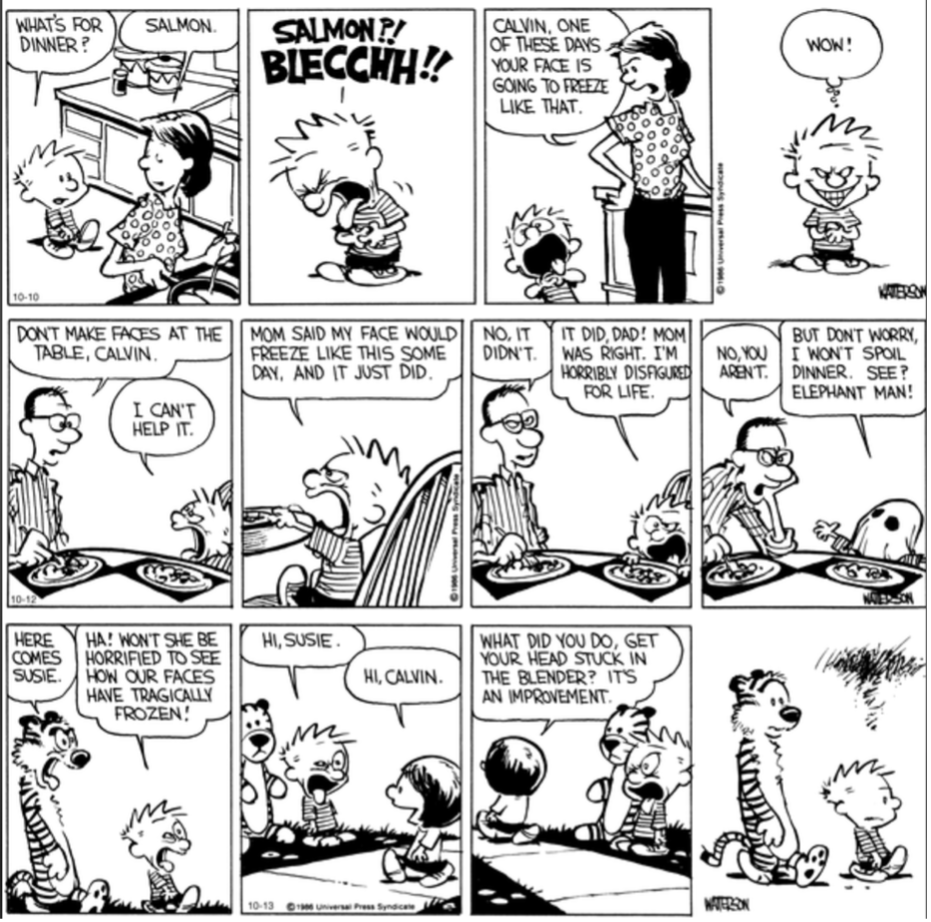
Procurement doesn’t need more fire drills or clever fixes. It needs someone willing to own the story of how work is supposed to flow and to edit it thoughtfully as conditions change. You know, so your face doesn’t freeze that way.
--
Has "good enough for now" become permanent in your operations? Our Procurement Maturity Index can help you see what's actually happening and decide what to keep, unwind, and redesign. Also, take our Talent Risk Scorecard to learn whether your team can sustain the change you need.